 TwinLadder
Check the floor first
An AI Act readiness check on the seven pillars of the Twin Ladder Standard, scored in a guided interview, with your Article 4 measures on record.
Seven pillars
Build an audit-ready evidence portfolio, including competence results.
Pick a pillar to see its sample reading and the next step the report gives at that score.
Whether people understand the AI systems they use, and can say what those systems cannot do.
Whether formal AI rules exist and are enforced: acceptable use, prohibited uses, procurement approval, risk classes.
Whether capability is built on purpose, by role: checking output, spotting risk, knowing the ethical limits.
Whether the organisation knows what is deployed, and has human oversight built into it.
Whether the organisation can show it. If the board or a regulator asked for the measures taken, what would it hand over?
Whether someone answers for AI use: accountability, ethical oversight and watch on regulation.
Where AI may decide and where it may not: written down, watched, and reversible by a person.
How it is scored
One to three colleagues answer a guided interview; the app scores each pillar 0–100 and ranks the gaps.
The questions follow the published standard, with equal weights across the seven pillars. You get a score per pillar, the gaps in order, and what to do next at each band. The first check is free. Every plan includes it after that, so you can run it again when your systems or the rules change.
If the board or a regulator asked for the measures taken, what would you hand over?
- Nothing in one place yet
- Some records, kept by each team
- One evidence file, reviewed each year
- One evidence file, each reading dated and kept
Evidence attached: ai-policy-v2.pdf, training-log-2026.xlsx

Article 4, on the record
| Measure | By | When |
|---|---|---|
| AI policy adopted: acceptable use, prohibited uses | Board | 2 Sep 2026 |
| Inventory of AI systems, each with an owner | Head of IT | 18 Sep 2026 |
| Role training for claims reviewers: checking output | HR | 6 Oct 2026 |
| AI-literacy clause in contractor agreements | Legal | 9 Oct 2026 |
| Readiness check, seven pillars: 51 of 100 | Compliance, IT, HR | 14 Oct 2026 |
Since Regulation (EU) 2026/1744, Article 4 is a best-efforts duty, discharged by showing the measures you have taken. The readiness check keeps the record of those measures: what was done, by whom, and when.
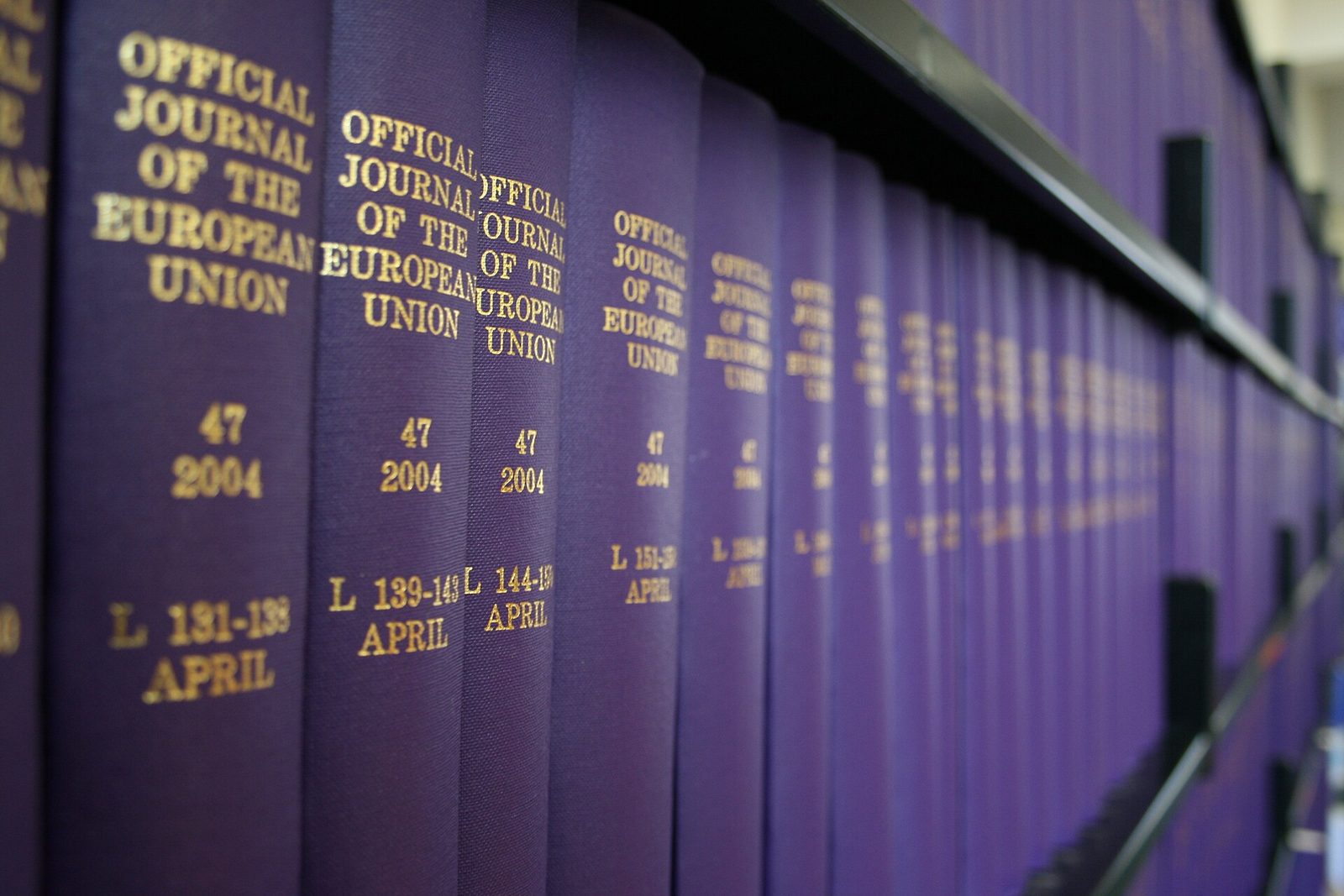
The floor and the register
The readiness check reads the governance around the machine.
The register reads what the machine is doing to your people’s judgment.
A board needs both. As the book puts it:
“The two are not competitors; a board needs both open on the table.”
Questions
It is the same seven-pillar check, now positioned as the legal floor. The free entry to TwinLadder is the ladder self-score.
It shows which measures you have on record and which you lack. It is a readiness check, and your counsel decides what it means for your obligations.
Yes. The first check is free for anyone, and every plan includes it after that.
Compliance, IT and HR, one to three people.
Start the readiness check
The first check is free. Every plan includes it after that, so you can run it again when your systems or the rules change.
Compliance, IT and HR, one to three people. Your result shows in the app, with the gaps in order.