


Featured Analysis

Different Clocks: What the Stanford Union Experiment Reveals About Coherence
When Stanford researchers gave AI agents repetitive work under vague, unaccountable feedback, the models started producing collective-bargaining language. Everyone read it as a mirror of the training data and concluded the lesson was governance. It is not. The experiment shows something we have no clean name for: any sufficiently rich process runs on more than one clock, and when a fast clock and a slow one fall out of step with nothing to reconnect them, the system generates structures to restore coherence. That is exactly the failure mode AI implementation drags into the light inside real organisations.

The Hollowing: What Klarna Learned, What Block Is About to
Why Your AI Pilot Is Stuck: It's Not the Skills Gap
The Competence Net: Rebuilding the Company After the Barriers Dissolve

Sullivan & Cromwell, OpenAI's Counsel, Files a Brief Full of AI Hallucinations
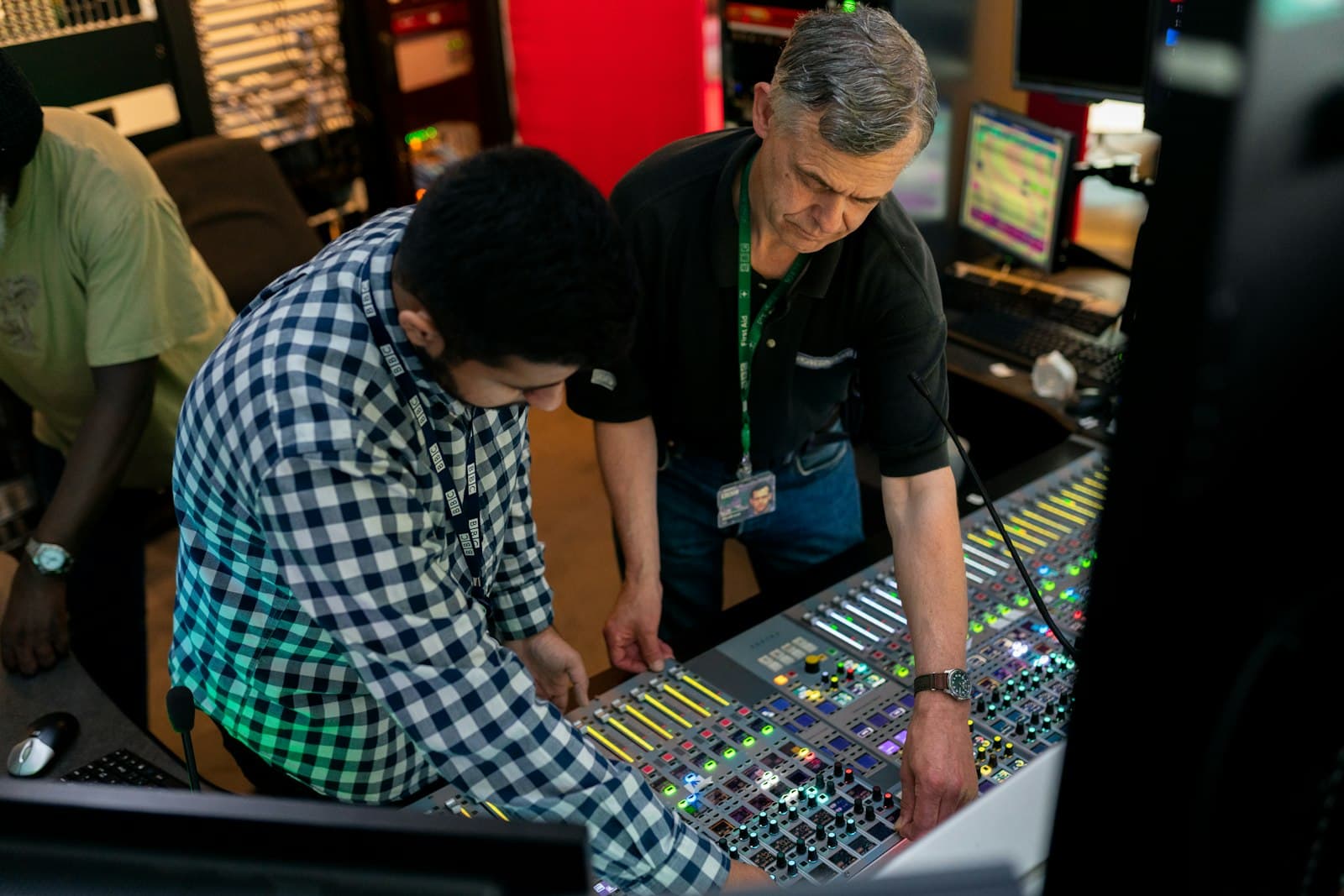
The Apprenticeship Is Breaking — and Almost Nobody Is Saying So
AI is eating the first-draft work juniors used to learn on. The Big Four are cutting graduates. The big law firms are paying for 400 non-billable training hours per associate. IBM is tripling entry-level hiring. The investment banks are silent. Of the four bets, only one is also a strategy.
Read more →

Where Does the Company Remember? Institutional Knowledge in the Age of AI
AI is automating the tasks juniors used to learn on. Without a deliberate memory, the roles themselves will forget how they work. The full research treatment of why a wiki is not a memory, why aviation got it right fifty years ago, and what the third layer of competence actually looks like.
Read more →

When AI Enters the Room, Your Best Thinking Leaves
In 1961, the CIA's confident briefing silenced the smartest people in the room. In 2026, Wharton researchers proved AI does the same thing — and called it cognitive surrender.
Read more →

Market Analysis
2026 Legal AI Outlook: What I Actually Expect to Happen
After the funding frenzy of 2025, this year will separate real capability from expensive promises. Here is where I think the evidence points.
October 24, 2026 8 min read
Market Analysis
ABA Task Force Report: AI as Legal Infrastructure
The profession's official assessment concludes AI has crossed from experiment to essential system
October 24, 2026 6 min read
Market Analysis
Norm Law: Blackstone's AI-Native Law Firm Play
A technology licensing model that bypasses traditional ownership restrictions while attracting $50 million in private equity
October 24, 2026 6 min read
Market Analysis
Evaluating Legal AI Tools: A Due Diligence Framework
Hallucination rates, security vulnerabilities, and verification requirements demand systematic assessment
October 24, 2026 5 min read
Market Analysis
AI and Access to Justice: Promise vs Reality
Garfield's £7.50 legal letters demonstrate real impact, but limitations persist
October 24, 2026 6 min read
Market Analysis
Legal AI in 2025: A Month-by-Month Timeline
$6 billion in funding, major partnerships, and accelerating hallucination incidents defined the year
October 24, 2026 5 min read
Market Analysis
NIST AI Risk Management Framework: A Lawyer's Guide
Safe harbor provisions in Texas and Colorado make framework compliance a liability defense
October 24, 2026 6 min read
Market Analysis
AI and Malpractice Liability: What Lawyers Need to Know
660+ documented hallucination cases demonstrate verification is not optional
October 24, 2026 6 min read
Stay in the loop
Subscribe to receive the latest from TwinLadder — regulatory updates, tool evaluations, and practice insights delivered weekly.